
Formicoli Beach: Crystal-Clear Sea Near Tropea
Formicoli Beach: Crystal-Clear Sea Near Tropea
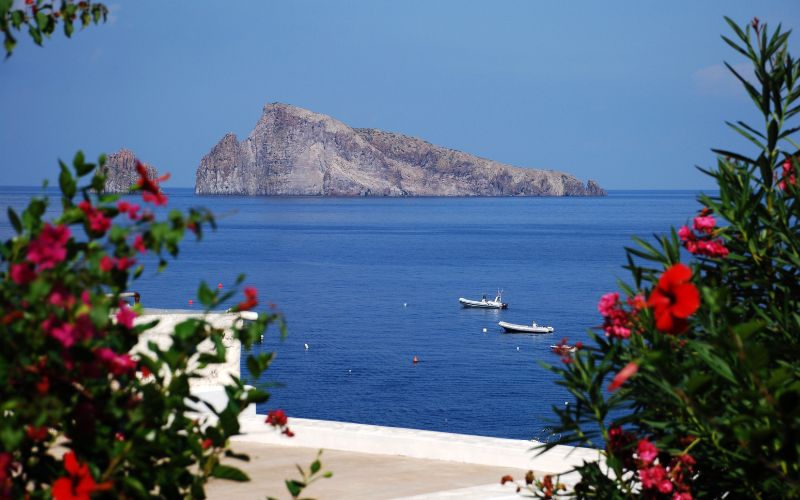
Formicoli Beach is one of the most charming bays along the Coast of the Gods, the stretch of coastline in Calabria famous for its crystal-clear sea, breathtaking views, and some of the most beautiful beaches in southern Italy.
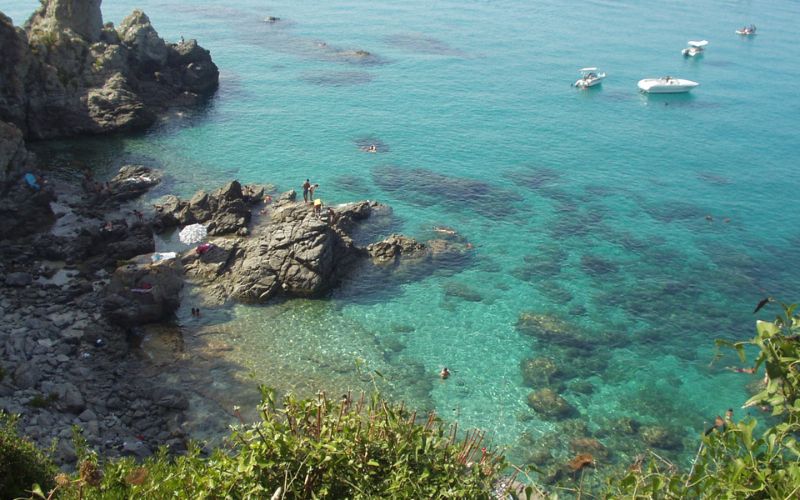
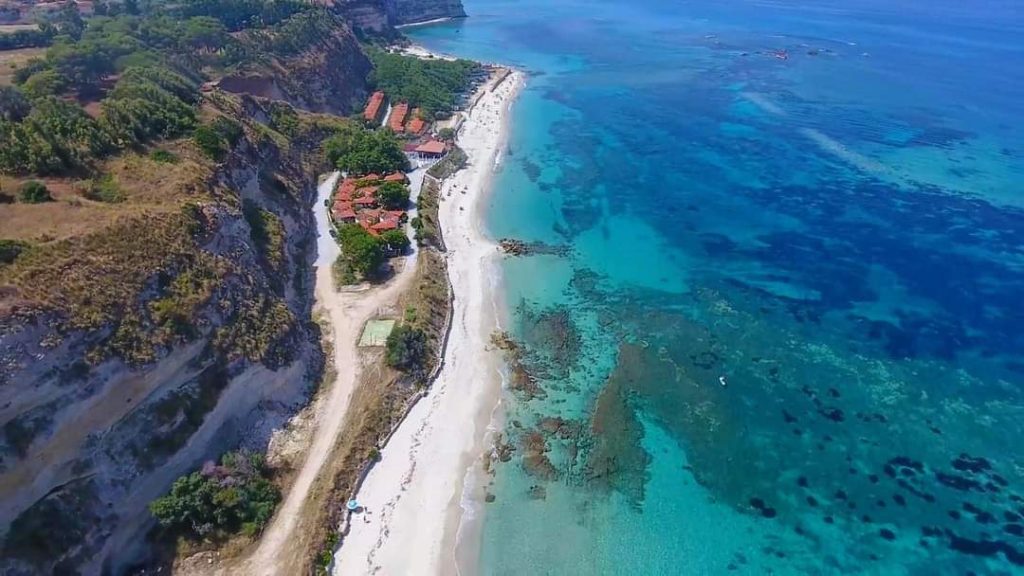
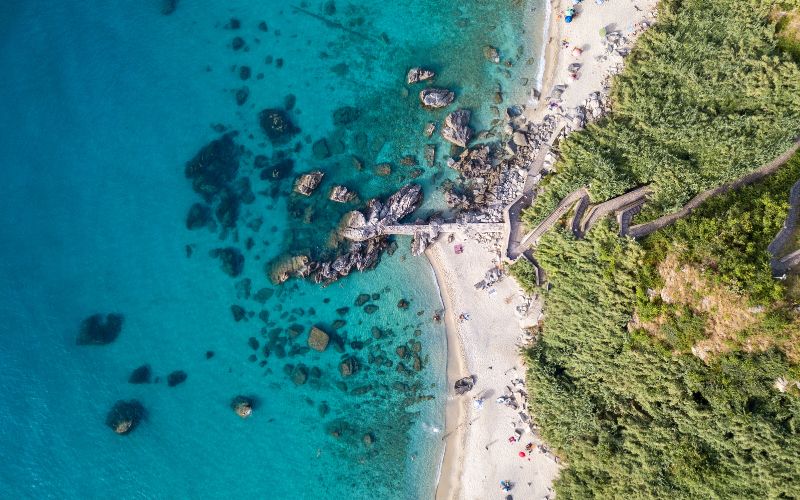
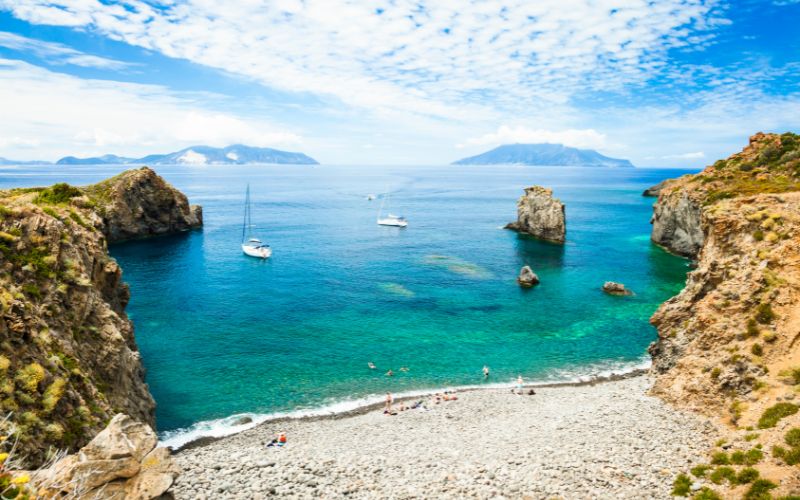
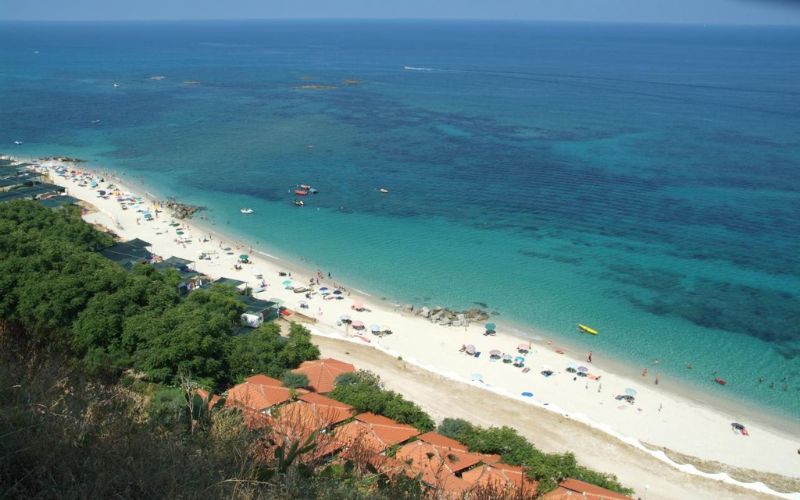
Located just a few minutes from Tropea, this beach is especially appreciated by visitors looking for clear water and seabeds rich in marine life, perfect for snorkeling. The landscape is characterized by transparent water, natural cliffs, and Mediterranean vegetation that gently slopes down toward the sea.
Beyond its natural beauty, Formicoli Beach also has a very ancient history. During Roman times, this stretch of coast was home to a commercial port known as Forum Herculis, used by ships traveling along Mediterranean trade routes.
Oggi questa baia rappresenta una delle destinazioni più affascinanti per chi desidera scoprire il mare autentico della Costa degli Dei.
Where Formicoli Beach Is Located
Formicoli Beach is located in the municipality of Ricadi, along the Coast of the Gods, between Tropea and Capo Vaticano. This location makes it particularly strategic for visitors who want to explore some of the most beautiful places along Calabria’s Tyrrhenian coast.
Tropea is only a few kilometers away and can easily be reached by car, while Capo Vaticano lies a little further south and is famous for its panoramic cliffs and some of the most spectacular beaches in the region.
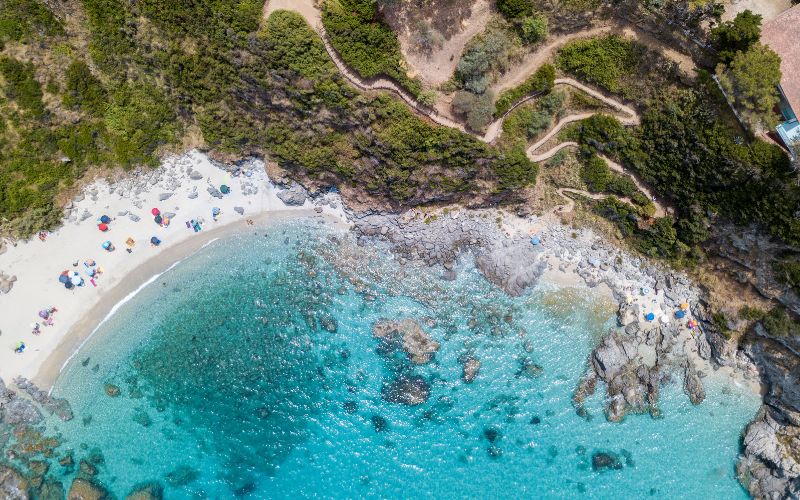
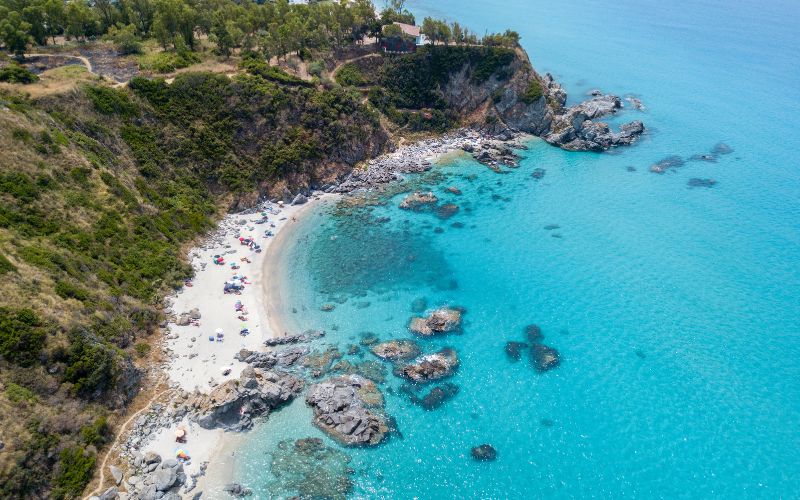
The bay of Formicoli opens at the foot of a hill covered with Mediterranean vegetation. The natural landscape, still only lightly urbanized, helps create a relaxing and authentic atmosphere.
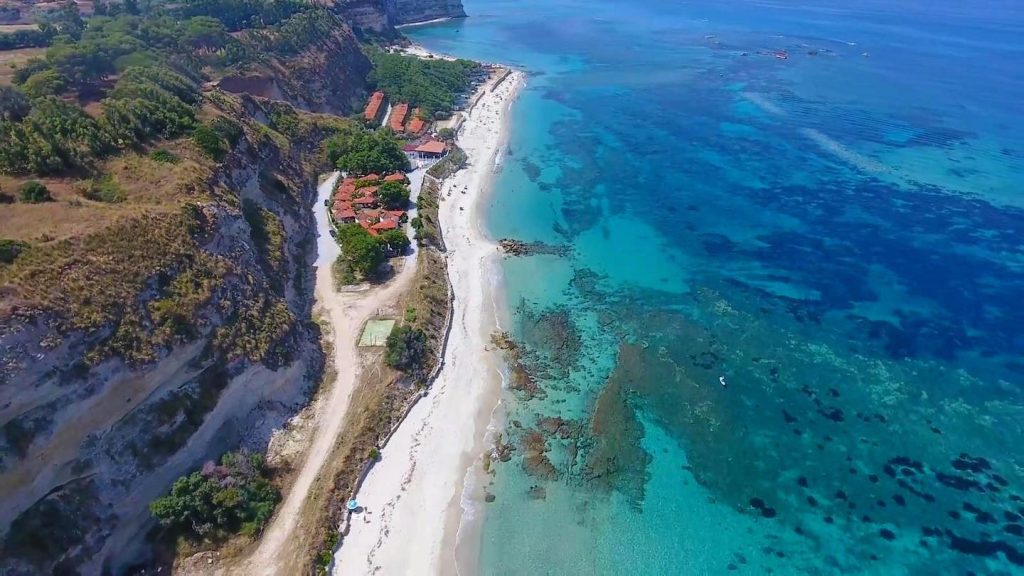
This part of the coastline is characterized by alternating small coves and rocky cliffs that create stunning views over the Tyrrhenian Sea.
What the Sea Is Like at Formicoli Beach
The sea at Formicoli Beach is one of the main reasons many visitors choose this bay during their holiday on the Coast of the Gods.
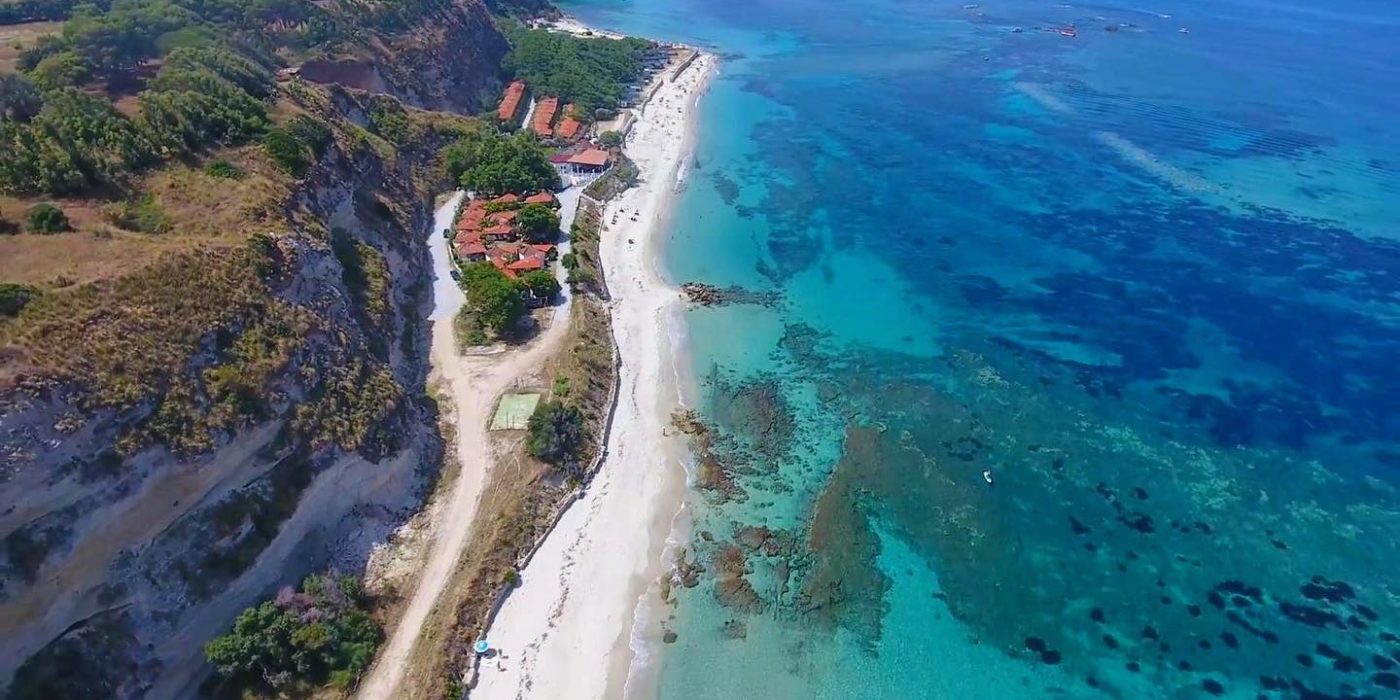
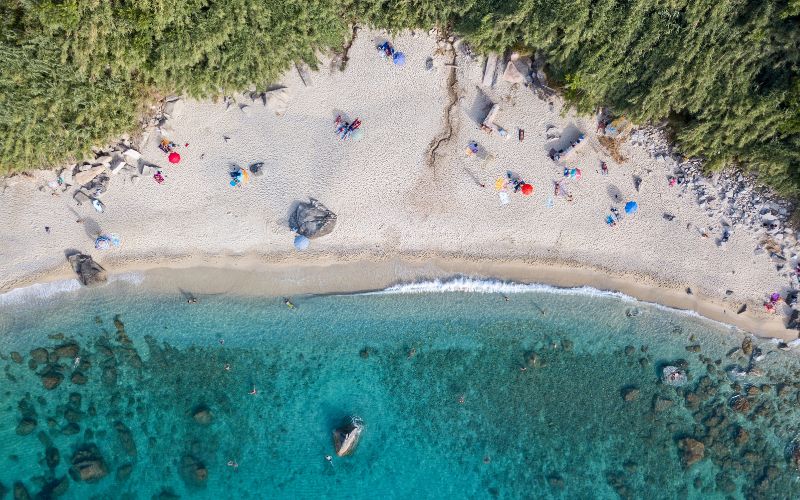
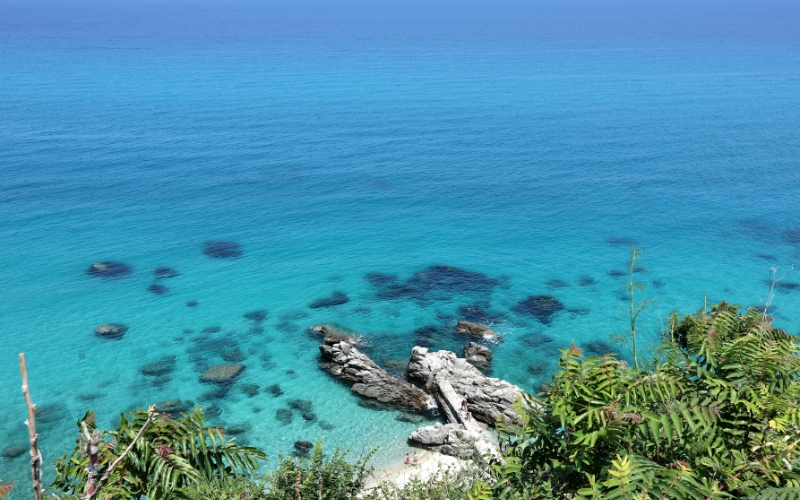
The water is exceptionally clear and transparent thanks to the rocky seabed and the limited presence of strong currents. The colors of the sea constantly change throughout the day, shifting from bright turquoise tones in the shallower areas to deep blue in the deeper waters.
This remarkable clarity makes it easy to see the seabed even several meters from the shore.
On calm days, the sea becomes almost mirror-like, creating the perfect setting for swimming or simply relaxing while admiring the view.
Because of these characteristics, Formicoli Beach is often considered one of the most beautiful bays near Tropea.
Snorkeling at Formicoli Beach
The presence of rocks and small crevices makes this area particularly interesting for snorkeling enthusiasts.
The seabed alternates between sand, rocks, and seagrass meadows of Posidonia, creating the ideal habitat for many marine species. With just a mask and fins, it is possible to observe typical Mediterranean fish swimming among the rocks and deeper areas.
Many visitors choose this beach specifically to explore the sea and discover the rich biodiversity of the Coast of the Gods.
Even beginners can enjoy snorkeling close to the shore, where the water remains shallow and visibility is excellent.
How to Get to Formicoli Beach
Reaching Formicoli Beach is quite easy, especially for those staying in nearby towns.
From Tropea, the beach is about a ten-minute drive away. Simply follow the coastal road toward Capo Vaticano until you reach the area of Ricadi.
Once near the bay, a short path leads down to the beach. The view that opens up while descending toward the sea is particularly beautiful and allows visitors to admire the coastline from a unique perspective.
Its location also makes the beach perfect for travelers who want to visit several destinations during the same holiday.
Where to Park at Formicoli Beach
Near the beach there are several areas where visitors can park their cars before heading down to the sea.
During the summer months it is recommended to arrive early in the morning to find parking more easily and enjoy the beach in a quieter atmosphere.
After parking, the beach can be reached with a short walk that leads directly to the bay.
This brief walk allows visitors to gradually immerse themselves in the natural atmosphere of the coast, surrounded by the scents of Mediterranean vegetation and panoramic views of the sea.
The History of the Roman Port of Forum Herculis
One of the most fascinating aspects of Formicoli Beach is its history.
During Roman times, this area hosted a commercial port known as Forum Herculis, which served as an important strategic stop along Mediterranean maritime routes.
Ships sailing along the Calabrian coast found a safe harbor here where they could trade goods and resupply before continuing their journey.
Over the centuries the port disappeared, but some archaeological traces remain beneath the sea. Even today, it is possible to spot submerged remains that recall the ancient Roman harbor.
This unique feature makes Formicoli Beach not only a seaside destination but also a place rich in history.
What to See Near Formicoli Beach
The location of the beach makes it easy to visit some of the most beautiful places along Calabria’s Tyrrhenian coast.
Tropea is undoubtedly one of the most famous destinations in the area, known for its historic center overlooking the sea and the picturesque church of Santa Maria dell’Isola.
A little further south lies Capo Vaticano, famous for its breathtaking viewpoints and beaches with crystal-clear water.
Visitors interested in exploring the inland area can also visit the small village of Zungri, home to the ancient rock-carved settlement known as the Cave Dwellings of Sbariati, an archaeological site that tells the early history of the region.
Where to Stay Near Formicoli Beach
Staying close to the sea is the best way to fully enjoy the beauty of the Coast of the Gods.
The area around Formicoli is particularly appreciated by travelers looking for a relaxing holiday while still being close to the main tourist attractions of the region.
Here it is possible to spend days between the sea, excursions, and spectacular landscapes while discovering one of the most beautiful stretches of coastline in Calabria.
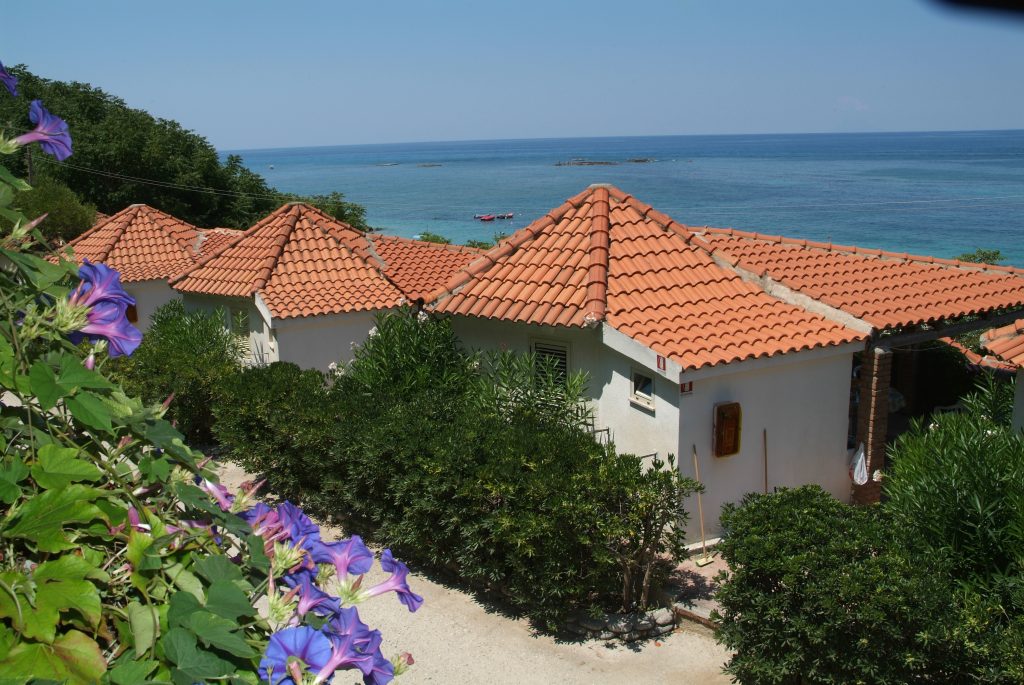
If you are planning a holiday on the Coast of the Gods, you can discover the bungalows and accommodations at Villaggio Formicoli, located close to the beach and ideal for those who want to experience the sea just a few steps from their accommodation.
Is Formicoli Beach suitable for families with children?
Yes, the beach can also be suitable for families, especially in areas where the seabed is shallower near the shore. However, it is advisable to pay attention in the rockier sections.
Is Formicoli Beach sandy or rocky?
The beach is made up of a mix of sand and small pebbles, with some rocky areas along the coast that make the seabed particularly interesting for snorkeling.
Can you see fish while snorkeling at Formicoli?
Yes, the rocky seabed and marine vegetation host various Mediterranean fish species, making this area ideal for snorkeling.
Is Formicoli Beach free or equipped?
The beach is largely free, although nearby areas offer services and beach clubs in the surrounding localities.