
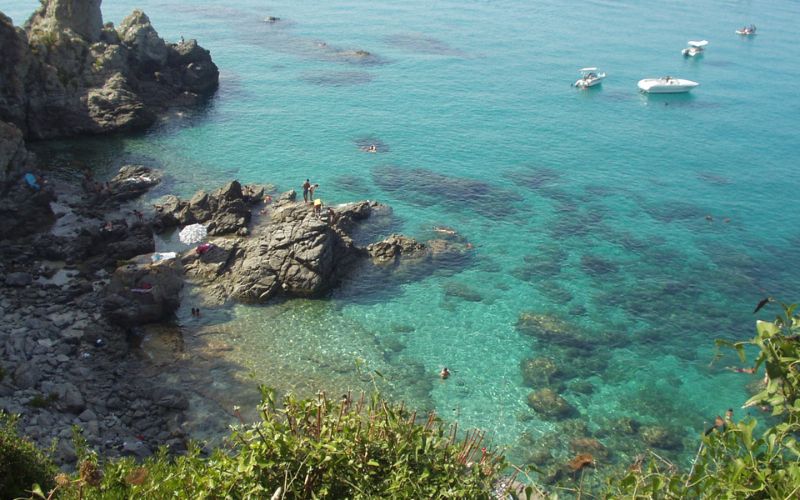
Spiaggia di Tropea: Spiaggia di Santa Maria dell'Isola

Tropea Beach: Santa Maria dell’Isola Beach

Tropea Beach: Santa Maria dell’Isola Beach

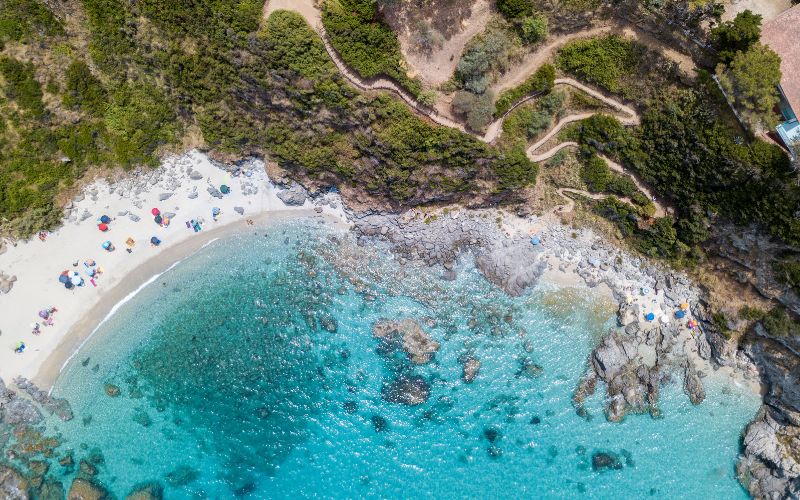
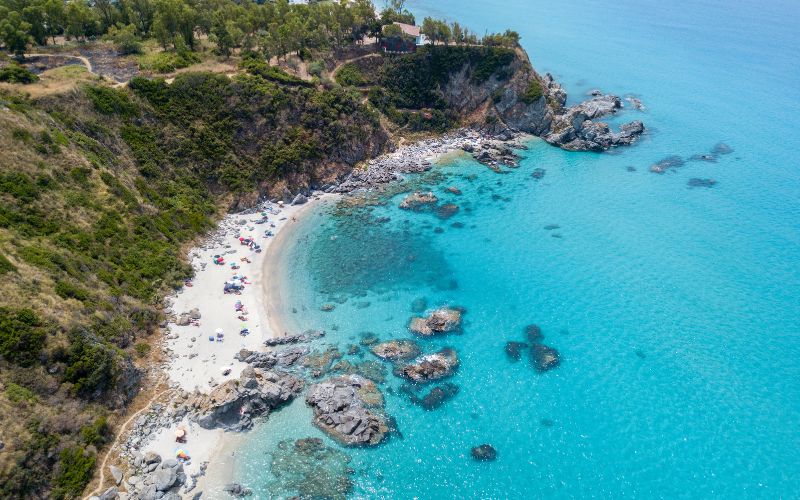
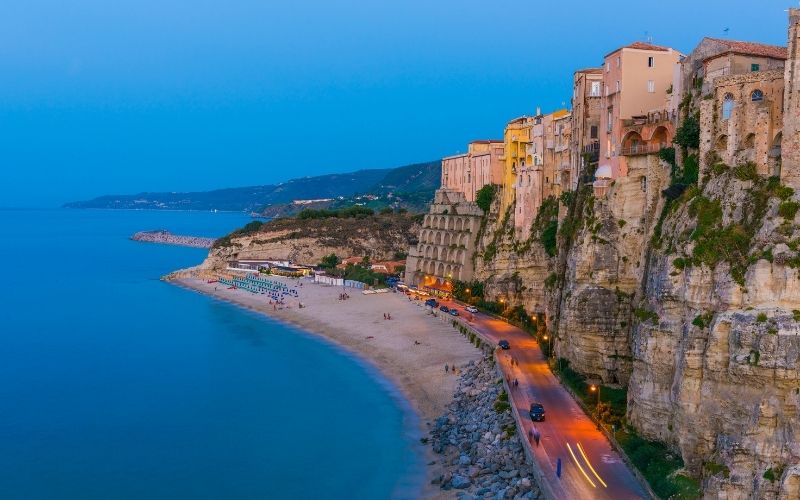
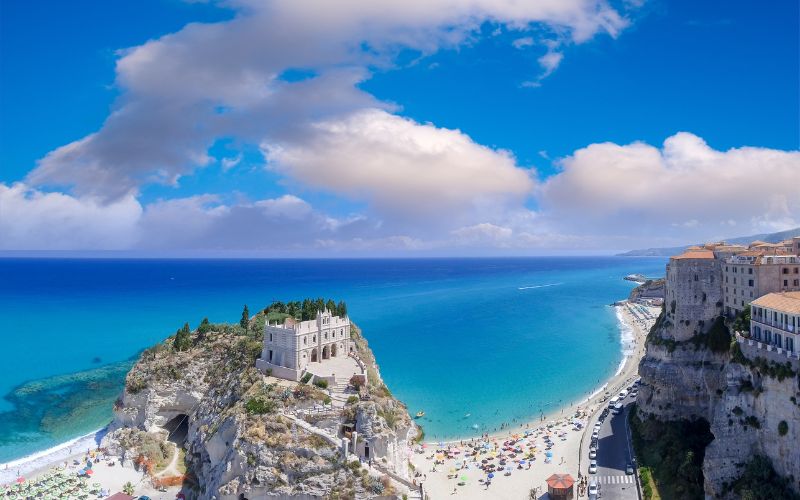
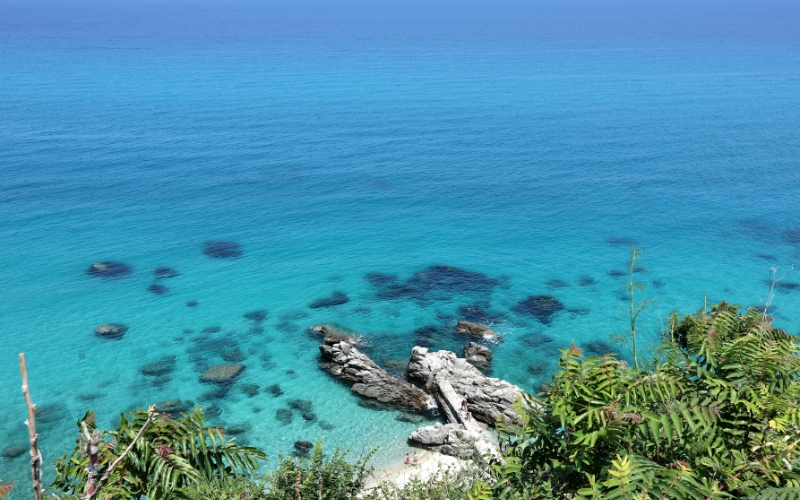
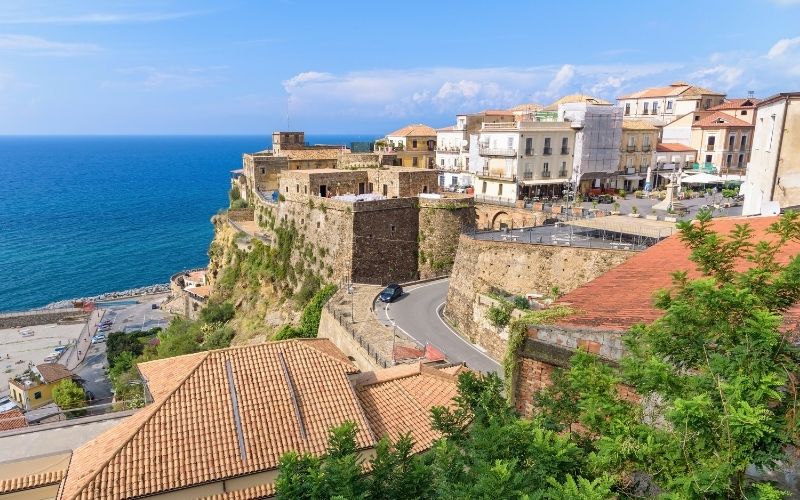
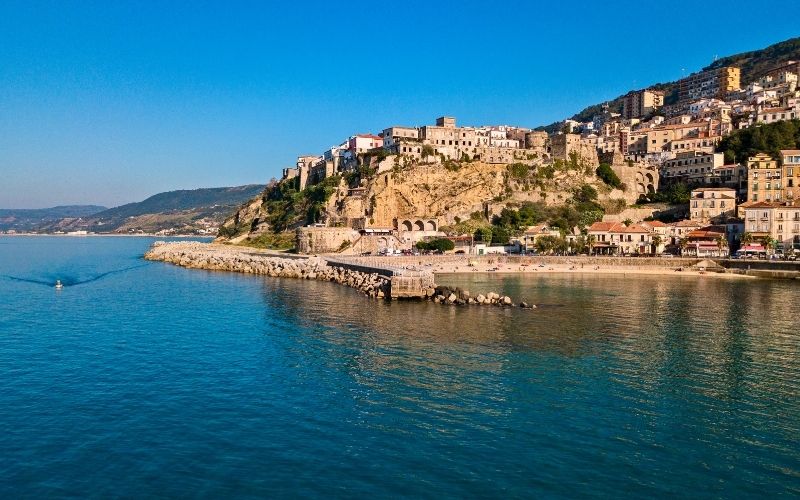
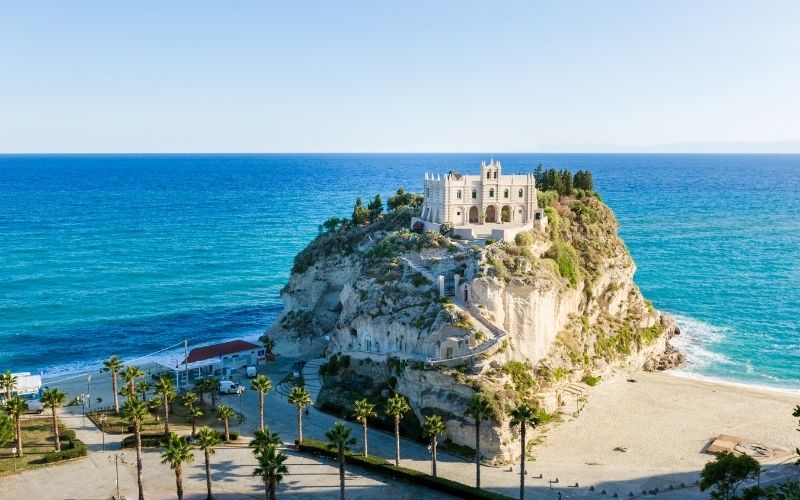
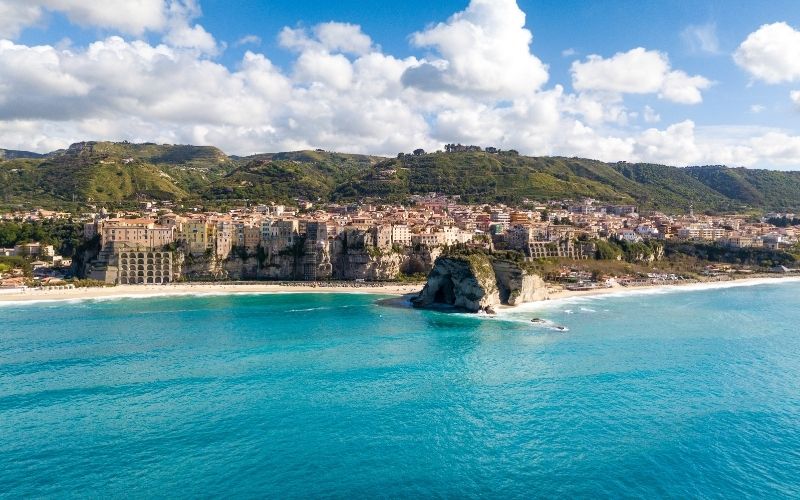
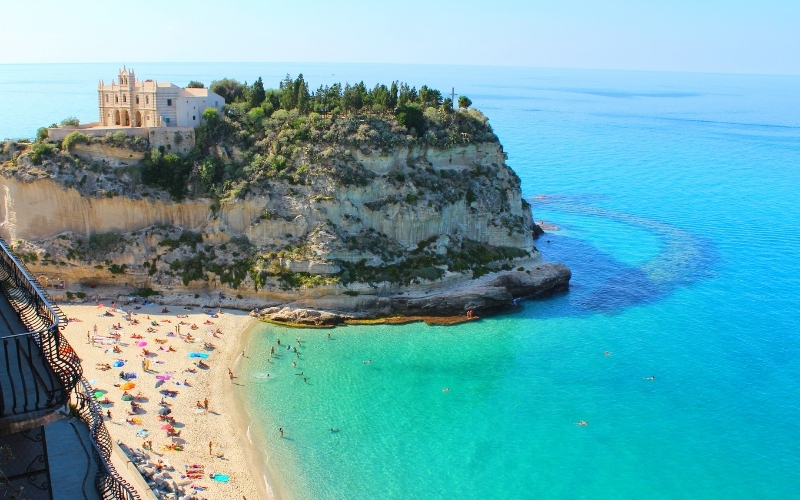
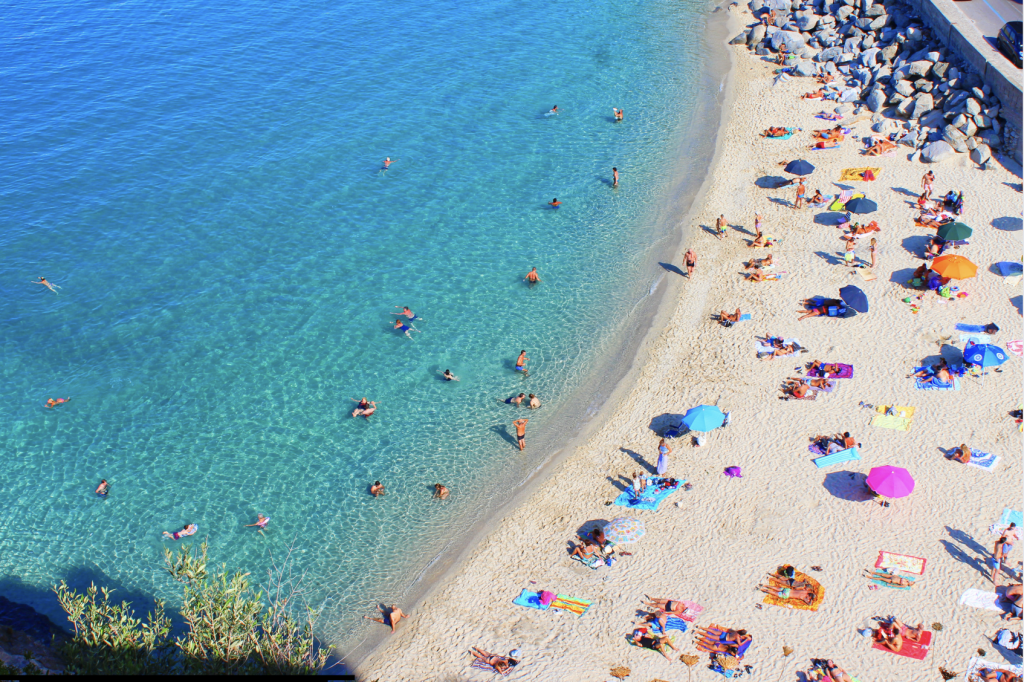
Santa Maria dell’Isola Beach is the most iconic beach in Tropea and one of the most photographed in Calabria. Located right below the rock on which the famous Sanctuary stands, it represents the symbolic image of the town. The contrast between the light-colored sand, the intense colors of the sea, and the profile of the historic center perched on the rock makes this stretch of coastline truly unique.

This beach, often simply referred to as Tropea Beach, is located along the Coast of the Gods and is a must-see stop for anyone visiting the area. It is the place that best captures the essence of Tropea, combining natural beauty and historical charm in a striking setting.


Where Santa Maria dell’Isola Beach is located

Santa Maria dell’Isola Beach is located at the foot of Tropeas historic center, along the Tyrrhenian side of Calabria. It is easily reachable on foot from the town center thanks to well-marked stairways and access points, or from the harbor area and the railway station.

Its central location makes it very convenient both for those staying in Tropea and for those lodging along the Coast of the Gods who wish to visit one of the most representative destinations in the area.


What the sea is like at Santa Maria dell’Isola Beach

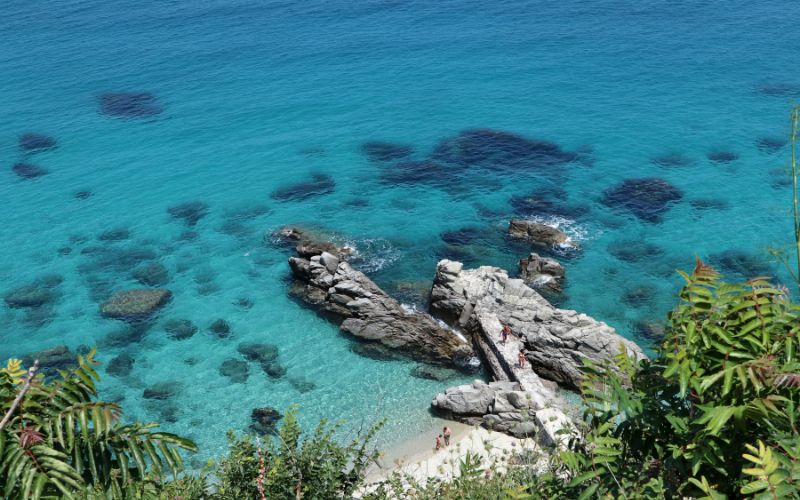
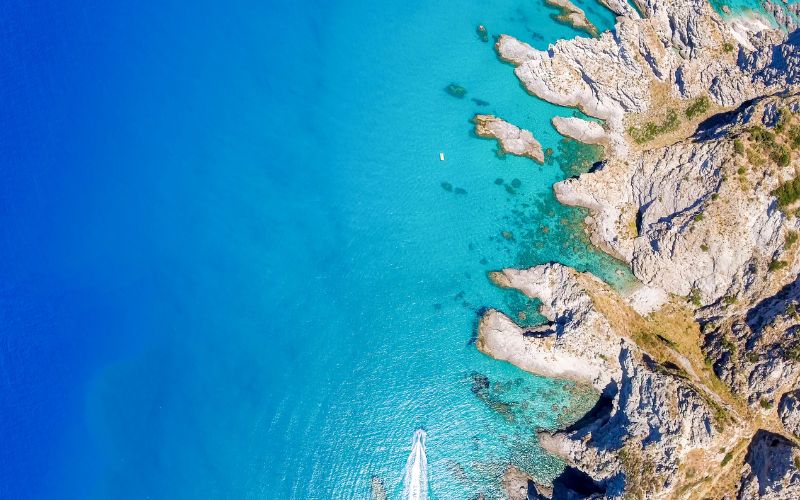
The sea at Santa Maria dell’Isola Beach is considered among the most beautiful in Calabria. The water is clear and takes on shades ranging from turquoise to deep blue, especially on calm days. In the wider sections, the seabed is mainly sandy, while near the cliffs it becomes more interesting for those who enjoy swimming and observing the sea.

These characteristics make the beach suitable both for those seeking relaxation and for those who want to swim in transparent waters. During less crowded periods, the sea also offers ideal conditions for light snorkeling along the rocks.

Want to plan your vacation on the Coast of the Gods? Request a quote.

Sand or rocks: what is Tropea Beach like?

Santa Maria dell’Isola Beach features a combination of light-colored sand and rocky sections, especially in the areas closest to the rock of the Sanctuary. This characteristic allows visitors to choose the area best suited to their needs, alternating between spaces ideal for relaxing and more evocative spots along the rocky shoreline.

The sandy areas are perfect for those who want to lie comfortably and enjoy the sea, while the rocky zones offer more interesting seabeds for those who enjoy swimming and observing the sea up close, especially on days when the water is particularly clear.


Are the beaches of Tropea suitable for families?

The beaches located in Tropea are also suitable for families, especially in the wider and sandier sections situated below the Sanctuary of Santa Maria dell’Isola, where the entrance into the water is gradual. However, during the peak summer season, the beach can become very crowded, making it less easy to move around with small children during the central hours of the day.

For this reason, many families prefer to visit Tropea Beach early in the morning or late in the afternoon, or to alternate it with quieter beaches nearby along the Coast of the Gods, where spaces are often wider and the atmosphere more relaxed.


Is there a cave beneath the Sanctuary of Tropea?

Beneath the Sanctuary of Santa Maria dell’Isola there is a small natural cave, accessible from the sea and especially visible when the water is calm. This cave, often simply called the cave beneath the Sanctuary of Tropea, is one of the most evocative corners of the beach and is highly appreciated by those who enjoy swimming close to the cliffs.

The cave is located near the rocky part of Tropea Beach and can be reached by swimming or during short coastal excursions. The sea in this area is particularly clear and allows visitors to observe the seabed even without moving far from the shore, making the experience suitable also for light snorkeling.

Visiting the cave beneath the Sanctuary is a different way to experience Tropea Beach, especially in the early morning or late afternoon, when the sea is calmer and the atmosphere becomes even more evocative.


When is the best time to visit Santa Maria dell’Isola Beach in Tropea?

The best period to visit Tropea Beach is from May to September. The months of June and September are particularly appreciated because they offer pleasant weather, warm sea temperatures, and fewer visitors compared to the peak season.

July and August represent the liveliest time of summer, with all services available but also with greater crowds. During these months, it is advisable to choose less busy times to better appreciate the sea and the scenery.


Why visit the beaches of Tropea during a holiday in Calabria

The beaches of Tropea are a must-see for anyone visiting Calabria, thanks to their crystal-clear sea and the unique scenery created by the village overlooking the water. However, to fully enjoy this experience, it is advisable to include it within a broader itinerary along the Coast of the Gods, alternating it with less crowded beaches and moments of relaxation.

In this way, visiting Tropea becomes one of the most evocative moments of a balanced holiday between sea, nature, and discovery of the territory.

The most beautiful beaches near Tropea

One of Tropea’s greatest advantages is its strategic location. Just a few minutes by car or with short trips, it is possible to reach some of the most beautiful beaches along the Coast of the Gods, such as those of Capo Vaticano, Parghelia, and Zambrone. These beaches often offer wider spaces and a more peaceful atmosphere, ideal for alternating beach days.

Visiting Tropea Beach and then moving along the coast allows visitors to discover different landscapes and enjoy a more complete holiday.

Other beaches in Tropea

Rotonda Beach

It is the most central and famous beach in Tropea, located right at the foot of the historic center. It is characterized by light-colored sand and clear sea, with a direct view of the rock of Santa Maria dell’Isola. It is very popular during summer.


Convento Beach

It is one of the less mentioned but very evocative beaches, located near the former convent. It offers a more intimate setting compared to Rotonda Beach and is appreciated by those looking for a slightly quieter atmosphere.


Cannone Beach

A small beach nestled among the rocks, known for its very clear water. It is mainly frequented by those who enjoy swimming and light snorkeling, thanks to the interesting seabeds near the cliffs.


Riaci Beach

Although technically located just outside Tropea, it is considered one of its most beautiful beaches. It is famous for the large rock that divides the shoreline and for its crystal-clear sea. It is very popular with those seeking spectacular natural scenery.

Where to stay to visit Tropea Beach and the Coast of the Gods

To comfortably visit Tropea Beach and the other beaches along the Coast of the Gods, it is advisable to choose accommodation well located along the coastline. Staying directly in Tropea can be convenient for evening activities, but often involves more crowds and parking difficulties.

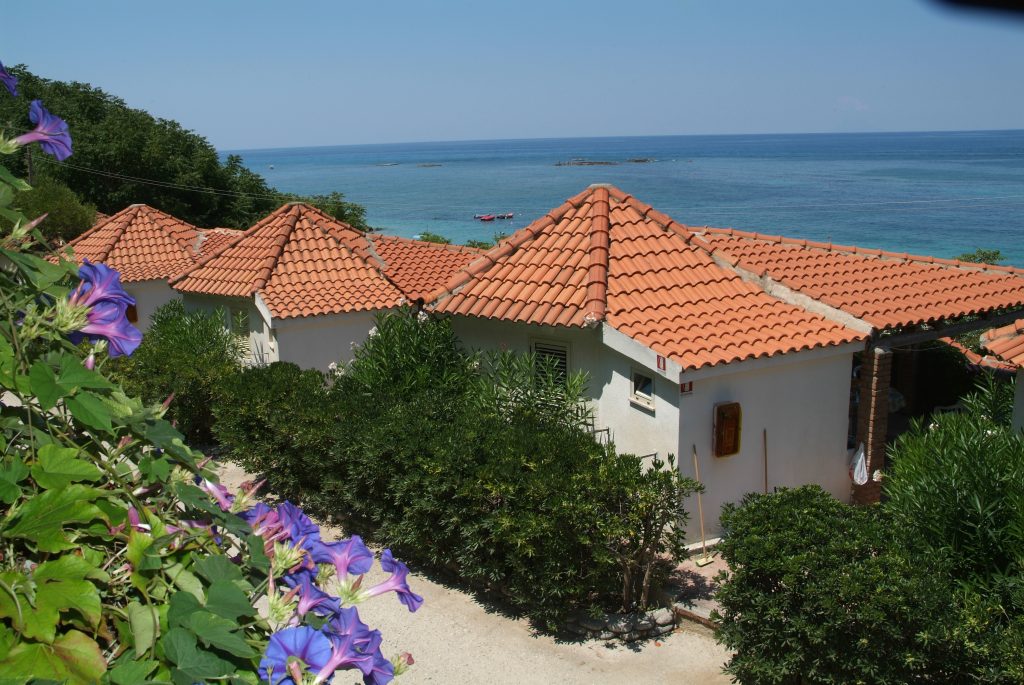
Villaggio Formicoli is an ideal solution for those who wish to visit Tropea without giving up tranquility. Located directly by the sea and immersed in nature, it allows easy access to Tropea and its beaches with short trips, while offering a more relaxed environment, particularly suitable for families and for those looking for a stress-free holiday.

Discover our family-friendly bungalows and find out how you can make your stay in Calabria relaxing and fun.

Vacanze in Calabria con i bambini mare, spiagge e consigli utili (1)

Holidays in Calabria with children: sea, beaches and useful tips

Holidays in Calabria with children: sea, beaches and useful tips

Planning a holiday in Calabria with children means choosing a destination that combines crystal-clear sea, natural landscapes and a relaxed pace of life. It is a region that especially surprises families, as it offers beaches suitable for young children, destinations close to each other and an authentic atmosphere, far from mass tourism. Here, time seems to slow down, allowing you to enjoy your holiday calmly, without having to plan every move too rigidly.

Families travelling with children often look for a destination where the sea is clean, beaches are easily accessible and distances are short. In this sense, Calabria – and in particular its Tyrrhenian coast – is an ideal choice, able to meet both children’s needs and adults’ desire for relaxation.

The Costa degli Dei, one of the best areas for families

One of the most appreciated areas for holidays in Calabria with children is the Costa degli Deia stretch of coastline along the Tyrrhenian side that includes some of the most well-known locations in the region. Tropea, Capo Vaticano, Zambrone, Parghelia and Pizzo Calabro are all easily reachable from one another, an essential aspect when travelling as a family.

Visiting the Costa degli Dei means being able to choose a different beach every day, alternating sandy stretches with more sheltered coves, without facing long journeys. It is an area that allows great flexibility when organising your holiday, adapting to children’s rhythms and leaving room both for beach time and for discovering the surrounding area.

How long does it take to visit the Costa degli Dei with children?

One of the most common questions concerns the ideal length of stay. In general, three or four days are enough to get a first impression of the Costa degli Dei, visit the main locations and spend some days at the beach. However, when travelling with children, staying longer can make a real difference.

A one-week stay allows you to enjoy the sea at a slower pace, alternate different beaches and spend time walking through villages or taking short excursions. The real charm of this area lies precisely in the possibility of slowing down, without feeling the need to “rush” to see everything.

Want to plan your vacation on the Coast of the Gods? Request a quote.

The most child-friendly beaches along the Costa degli Dei

Beaches play a central role in holidays in Calabria with children. Along the Costa degli Dei there are some of the most appreciated beaches in the region, characterised by clear water and intense colours. Among them, Grotticelle Beach, in Capo Vaticano, is one of the best known and most loved by families thanks to its sandy sections and generally calm waters.

Other very popular beaches include Riaci Beach, set in a striking natural landscape, and the Formicoli area, which is quieter and surrounded by greenery. The beaches of Zambrone also offer wide open spaces and clean sea, ideal for those seeking greater tranquillity, especially during peak season.

These beaches allow children to play freely and enter the sea gradually, while adults can enjoy the scenery and the silence.

Villaggio Formicoli, an ideal choice for families in Calabria

When planning holidays in Calabria with children, the quality of the stay matters more than the name of a specific destination. Villaggio Formicoli, located in the area of Ricadi, is an ideal solution for families who want to enjoy the sea in a quiet, natural setting, away from the chaos of more crowded destinations.

The village is located directly on the seafront and offers a safe and relaxing environment, perfect for families travelling with children. Days here follow a simple rhythm: the beach just a few steps away, open spaces, surrounding nature and the freedom to organise your holiday without constant car journeys. This aspect is particularly appreciated by families, who can enjoy time together without logistical stress.

Staying at Villaggio Formicoli also makes it easy to reach some of the most famous locations on the Costa degli Dei, such as Capo Vaticano and Tropea, while still having a more private and authentic base. It is a choice that combines comfort, direct contact with the sea and tranquillity – essential elements for a truly child-friendly holiday.

What is the best time for holidays in Calabria with children?

The climate is one of Calabria’s greatest strengths. The best period for a holiday with children generally runs from May to September. In particular, June and September are very popular with families thanks to pleasant temperatures, warm sea and lower tourist numbers.

July and August are ideal for those who enjoy a livelier summer atmosphere, with all services fully available, but by choosing less crowded locations it is still possible to enjoy the sea in a relaxed way. The long summer season makes Calabria a flexible destination, suitable for different family needs.


Is Calabria suitable for families with children?

Calabria is a family-friendly destination not only because of its sea, but also thanks to its lifestyle. Short distances between locations, beaches with gently sloping seabeds and warm hospitality make the holiday easier and more enjoyable.

In many areas, especially along the Costa degli Dei, accommodation facilities are designed to welcome families, offering open spaces and a peaceful environment. This allows children to move freely and adults to truly relax.

Where to stay to visit the Costa degli Dei with children

To visit the Costa degli Dei with children easily and without stress, choosing the right accommodation is essential. Families need a property close to the sea, set in a quiet environment and well connected to the main locations in the area, in order to minimise travel time and enjoy a relaxed holiday pace.

Villaggio Formicoli is the ideal choice for those who want to discover the Costa degli Dei with children. Located directly on the seafront and surrounded by nature, it allows you to enjoy the beach freely, without having to use the car every day.

Discover our family-friendly bungalows and find out how you can make your stay in Calabria relaxing and fun.

From here it is easy to reach Capo Vaticano, Tropea and the most beautiful beaches along the coast, while still enjoying a more private and safe environment, particularly suitable for families.

Staying at Villaggio Formicoli means offering children open spaces, tranquillity and direct contact with the sea, while guaranteeing adults a truly relaxing holiday. It is the perfect solution for those who want to explore the Costa degli Dei without giving up comfort, nature and the serenity of a village designed for families.

Grotticelle Beach in Capo Vaticano

Grotticelle Beach in Capo Vaticano

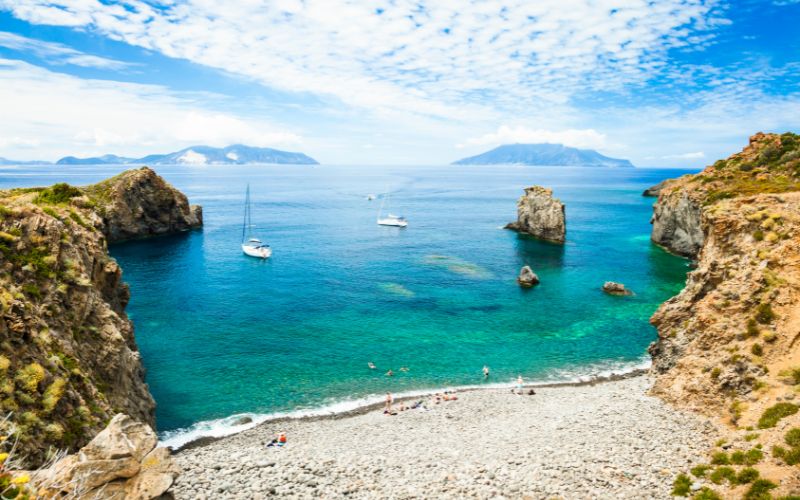
Grotticelle Beach is considered by many to be the most beautiful beach in Capo Vaticano and one of the most spectacular along the entire Costa degli Dei. Located along one of the most scenic stretches of coastline in Calabria, Grotticelle is famous for its crystal-clear sea, light-colored sand, and breathtaking views that, on clear days, extend all the way to the Aeolian Islands.

Where is Grotticelle Beach located?

Grotticelle Beach is located in Capo Vaticano, in the municipality of Ricadi, in the province of Vibo Valentia, along Calabria’s Tyrrhenian coast. It is about 10 kilometers from Tropea, a short distance that makes it easy to reach by car or during short trips while staying in the area.

From a geographical point of view, Grotticelle is nestled between granite cliffs and Mediterranean vegetation. This natural setting is one of the reasons why the sea here is so clear and rich in shades of blue.


What Grotticelle Beach is like


Grotticelle is not a single long beach, but a series of small coves separated by rocky stretches. The sand is light and fine, with small pebbles in some areas, while the surrounding natural environment helps create an authentic and unspoiled atmosphere.

This variety makes Grotticelle Beach suitable for different types of travelers: those who love relaxing on the sand, and those who prefer exploring rocky areas or snorkeling along the coast.a.

Grotticelle Beach in Capo Vaticano


What the sea is like at Grotticelle

When talking about Grotticelle, the real star is the water. The sea is extraordinarily clear, with colors ranging from turquoise to deep blue. In many areas, the seabed becomes deep quite quickly, a feature that contributes to the cleanliness of the water and makes it ideal for swimming.

At the same time, near the shoreline there are calmer areas, especially on days when the sea is calm, making the beach suitable for families with children. When conditions are right, the postcard-perfect scenery is guaranteed.


Why Grotticelle is considered the most beautiful beach in Capo Vaticano

Many travelers ask which is the most beautiful beach in Capo Vaticano, and Grotticelle is almost always the answer. The reason lies in the combination of elements that make it special: clear water, interesting seabeds, open sea views, and a well-preserved natural landscape.

Not surprisingly, Grotticelle Beach is often compared to the “Maldives of Calabria”, especially because of the color of the water and the brightness of the sand.

Want to plan your vacation on the Coast of the Gods? Request a quote.

How to get to Grotticelle Beach


Grotticelle Beach can be reached by car, following the signs to Capo Vaticano and parking in the designated areas. From there, paths and stairways lead down to the coves.

Grotticelle is also accessible by boat, a popular option for those departing from Tropea or joining boat excursions along the Costa degli Dei. Arriving from the sea allows visitors to fully appreciate the beauty of the coastline.


What you can see from Grotticelle Beach

One of the most fascinating aspects of Grotticelle Beach is the panorama. From the shore, especially on clear days, it is possible to see the Aeolian Islands on the horizon. Stromboli, with its unmistakable shape, is often clearly visible.

At sunset, the light changes and the sea takes on golden reflections. The sunsets at Grotticelle are truly breathtaking.


Is Grotticelle an equipped beach?

Grotticelle Beach offers both equipped beach areas and free beach sections. This allows visitors to choose between the comfort of beach clubs and the freedom of unspoiled areas. During the summer months, essential services and small refreshment spots are available nearby.


What to do at Grotticelle besides swimming

Grotticelle is an excellent base for exploring Capo Vaticano and its surroundings. Many visitors combine a beach day with a visit to the Capo Vaticano Lighthouse, which offers an exceptional panoramic view.

Boat excursions to Praia i Focu and other coves along the Costa degli Dei are also very popular.


Grotticelle and Tropea: a perfect combination

The proximity to Tropea makes Grotticelle Beach even more appealing. Many travelers enjoy spending the day at the beach and heading to Tropea in the evening for a stroll through the historic center, a seaside dinner, or simply to enjoy the evening atmosphere.

This balance between nature and town life is one of the reasons why Grotticelle is so appreciated.


When to visit Grotticelle Beach

The best time to fully enjoy Grotticelle Beach is from May to June and in September, when the sea is clear and crowds are smaller. July and August are ideal for those who love peak summer, but it is recommended to arrive early in the morning or late in the afternoon to enjoy the beach in a more relaxed way.

Why visit Grotticelle?

Grotticelle is a place where the sea is still the true protagonist. People don’t come here just to “go to the beach,” but to enjoy an experience made of clear water, silence, open views, and slow rhythms, far from the hustle and bustle of more crowded destinations.

rotticelle is perfect for those seeking relaxation, as its small coves make it possible to find peaceful spots even during busy periods, while also satisfying those who love exploring. Swimming along the coast, observing the seabed with a mask and snorkel, or simply moving from one cove to another offers a different perspective on the sea every day.

Another aspect that makes Grotticelle so popular is the natural landscape surrounding it. The beach is set in an authentic environment where Mediterranean vegetation meets the sea and the view remains free from large buildings. This helps create a genuine atmosphere, ideal for anyone who truly wants to disconnect from daily routine.

Staying nearby, in areas such as Formicoli and Ricadi, makes it easy to reach Grotticelle and enjoy it at the best times of day, early in the morning or late in the afternoon, when the light and sea colors are even more striking. At the same time, the location is perfect for exploring the other beaches of Capo Vaticano, visiting Tropea, or organizing excursions along the Costa degli Dei.

If you stay in our seaside village, Grotticelle becomes one of the most beautiful and natural highlights of your holiday, to be discovered slowly and without rush.

The Riace Bronzes: the great treasure of Magna Graecia in Calabria

The Riace Bronzes: the great treasure of Magna Graecia in Calabria

The Riace Bronzes are among the most extraordinary masterpieces of ancient art and undoubtedly represent the most famous cultural attraction in Calabria. Two perfectly preserved bronze statues, they tell the story of the greatness of Magna Graecia and continue to fascinate visitors from all over the world.

Those who choose Calabria for its sea and beaches often discover, with pleasant surprise, that this region is also home to one of the most important archaeological treasures in the Mediterranean. Visiting the Riace Bronzes means combining the natural beauty of the coastline with a unique cultural experience, adding depth and value to the entire journey.


The discovery of the Riace Bronzes

The Riace Bronzes were discovered on 16 August 1972, off the Ionian coast of Calabria, near Riace Marina, in the province of Reggio Calabria. They were found by Stefano Mariottini, an amateur diver who, during a dive, noticed a metal figure emerging from the sandy seabed.

The recovery of the statues took place in the following days, and it immediately became clear that the discovery was exceptional. Two male bronze statues emerged from the sea in an astonishing state of preservation — a very rare event in archaeology, considering that most ancient bronze statues were destroyed or melted down over the centuries.

What period do the Riace Bronzes belong to?

The Riace Bronzes date back to the 5th century BC, one of the highest moments of classical Greek art. Scholars place their creation between 460 and 430 BC, a crucial period for the definition of the aesthetic principles that shaped Western art.

They were created at a time when Greek sculpture achieved a perfect balance between idealization and realism, physical strength and harmonious proportions. This makes the Riace Bronzes direct witnesses to an artistic tradition that profoundly influenced all subsequent art history.


What do the Riace Bronzes represent?

The two Bronzes depict nude warriors, sculpted with remarkable realism. They are not individual portraits, but idealized figures, probably mythological heroes or legendary characters. Some theories link them to the myth of the Seven Against Thebes, while others interpret them as commanders or symbols of heroic virtue.

In classical Greek art, nudity does not signify vulnerability, but rather expresses strength, physical perfection, and the ideal of humanity. The Bronzes embody the Greek concept of man as the measure of all things.


The differences between Bronze A and Bronze B

Although often considered a homogeneous pair, the two Bronzes display clear differences that make them even more fascinating.

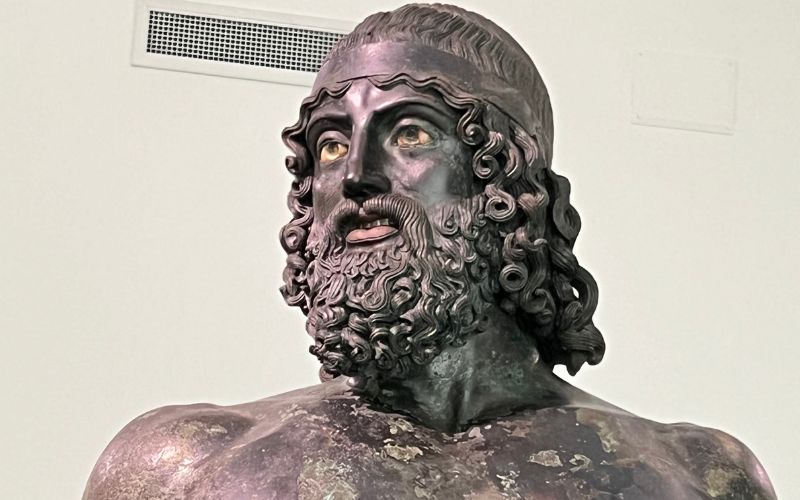
Bronze A appears younger and more dynamic. His posture is energetic, his gaze proud, and his body seems ready for action. He conveys strength, tension, and confidence.

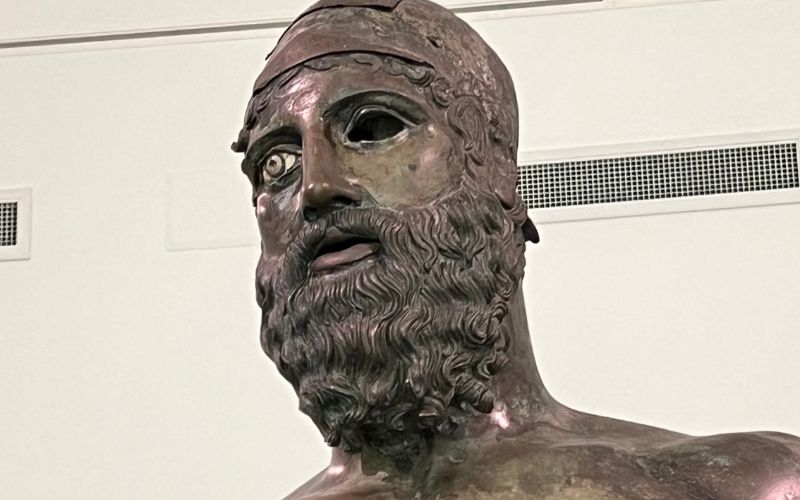
Bronze B, by contrast, has a more mature appearance. His posture is more composed, his facial expression more severe and thoughtful. He conveys authority and control.

These differences suggest that the statues were likely created by two different artists, both active during the same historical period, making the group even more valuable from an artistic point of view.


How the Riace Bronzes were made

The Riace Bronzes were created using the lost-wax casting technique, an extremely complex process that allowed artists to produce hollow yet durable statues.

Bronze is not the only material used, the eyes are made of different materials such as glass paste and ivory, the teeth are silver, while the lips and nipples are copper. This combination of materials gave the statues an incredibly realistic, almost “lifelike” appearance.

The fact that the statues are hollow played a crucial role in their exceptional preservation, allowing them to survive for centuries on the seabed.

Want to plan your vacation on the Coast of the Gods? Request a quote.

Why were the Riace Bronzes found in the sea?

One of the great mysteries surrounding the Riace Bronzes concerns why they ended up in the sea. The most widely accepted theory is that the statues were being transported by ship, possibly destined for a city of Magna Graecia or mainland Greece.

During a storm or shipwreck, the crew may have decided to throw them overboard to lighten the vessel. This would explain why the statues were found without their original context and why they were never recovered in antiquity.

This unresolved mystery adds even more fascination and intrigue to an already extraordinary story.


Where are the Riace Bronzes today?

Today, the Riace Bronzes are preserved and displayed at the National Archaeological Museum of Reggio Calabria, one of the most important museums in southern Italy. The statues are housed in a specially designed room with constant temperature and humidity control to ensure perfect conservation.

The museum also hosts numerous artifacts related to Magna Graecia, making the visit a complete and immersive journey into Calabria’s ancient history.


Why are the Riace Bronzes so important?

The Riace Bronzes are considered among the most important Greek sculptures in the world because they are original bronze works from the classical period, not Roman copies. Most ancient Greek bronze statues were destroyed over time, making these two works truly unique and irreplaceable.

Their monetary value is incalculable, but their cultural value is even greater: they have become a symbol of Calabria’s identity and one of the highest expressions of Western art.


Visiting the Riace Bronzes during a holiday in Calabria

Including a visit to the Riace Bronzes in your itinerary is an excellent idea even for those staying along the Coast of the Gods, between Tropea, Capo Vaticano, and Formicoli. A day trip to Reggio Calabria allows you to discover a different side of the region, combining sea and culture.

The museum visit usually takes about one hour, though it may last longer for those who wish to explore in greater depth. The Reggio Calabria seafront, considered one of the most beautiful in Italy, perfectly completes the experience.


When to visit the Riace Bronzes

The Riace Bronzes can be visited all year round, making this experience ideal even during less crowded periods. In summer, they offer a pleasant alternative to the hottest hours of the day, while in spring and autumn they are perfect for enriching a cultural holiday.


Why include the Riace Bronzes in your trip

Visiting the Riace Bronzes means discovering the oldest and deepest soul of Calabria. It is an experience that completes the journey, giving meaning to the territory and telling a millennia-old story that goes far beyond the beaches.

If you are staying along the Coast of the Gods, dedicating a day to the Riace Bronzes is one of the best ways to make your holiday truly complete and unforgettable.

Isole Eolie Escursione da Tropea

Eolian Islands: Day Trip from Tropea

Eolian Islands: Day Trip from Tropea

Organizing a day trip to the Eolian Islands from Tropea is one of the most popular choices for travelers spending their holidays along the Costa degli Dei. The chance to visit, in just one day, one of the most fascinating archipelagos in the Mediterranean—without changing accommodation—makes this experience especially convenient and memorable for those staying in Calabria.

The Eolian Islands, also known as the Lipari Islands, are famous for their volcanoes, crystal-clear sea, authentic villages, and unique natural landscapes. Let’s find out where the Eolian Islands are located, which islands make up the archipelago, how to reach them from Tropea, which islands are included in the excursions, how much a trip costs, and the best time to go.

Where the Eolian Islands Are Located and Why They Are So Famous

The Eolian Islands are located in the Tyrrhenian Sea, north of Sicily, and administratively belong to the Sicilian region, in the province of Messina. The archipelago is of volcanic origin and has been recognized as a UNESCO World Heritage Site for its extraordinary geological and scenic value.

These islands are world-famous for their active volcanoes—such as Stromboli and Vulcano—for their black-sand beaches, clear waters, and an atmosphere that is both wild and elegant at the same time. Every year, thousands of travelers choose to visit the Eolian Islands during a holiday in Sicily or Calabria.

For those staying along the Costa degli Dei, the Eolian Islands are an easily accessible destination and perfect for a one-day excursion.

Aeolian Islands Excursion from Tropea to Salina

Which and How Many Eolian Islands Are There?

One of the most frequently searched questions concerns the composition of the archipelago.
The Eolian Islands are seven

  • Lipari

  • Vulcano

  • Salina

  • Stromboli

  • Panarea

  • Filicudi

  • Alicudi

Lipari is the largest and most populated island, as well as the main logistical hub of the archipelago. Stromboli is famous for its constantly active volcano, while Vulcano is known for its sulfur mud baths and its easily accessible crater. Panarea is the most exclusive and glamorous island, Salina is green and panoramic, while Filicudi and Alicudi preserve a wilder, more authentic character.

During a day trip to the Eolian Islands from Tropea, it is not possible to visit all the islands, but tours are designed to offer an overview of the most iconic ones.

Which Eolian Islands Can You See from Tropea and Calabria?

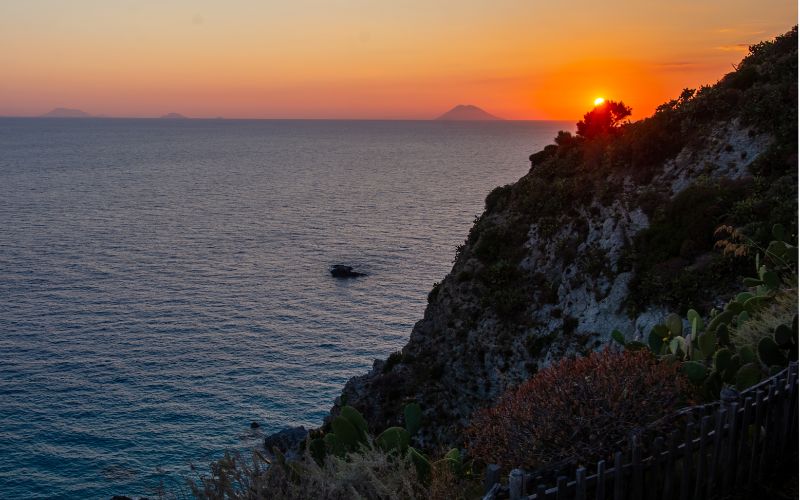
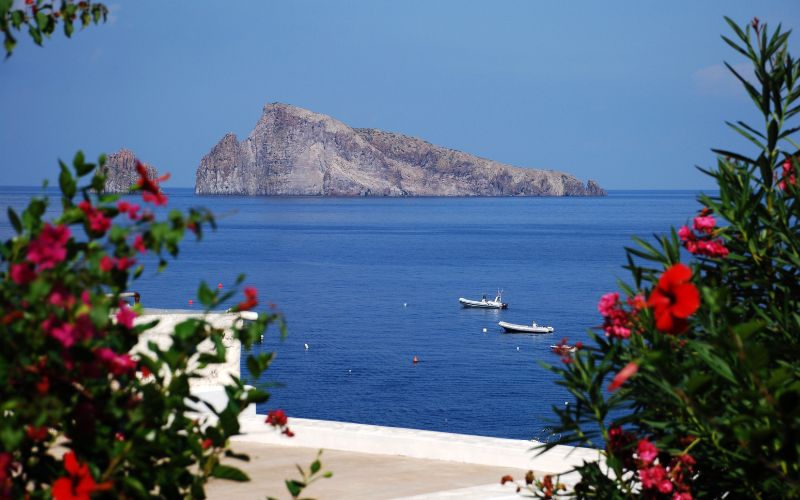
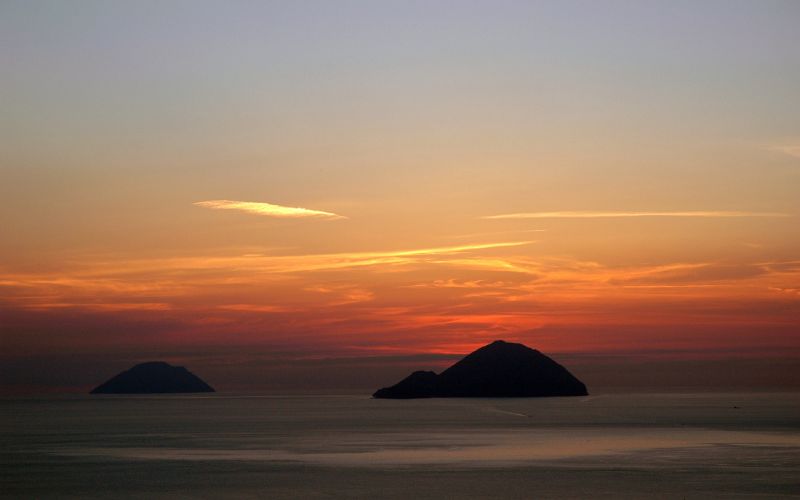
A particularly evocative aspect, often searched online, is understanding which Eolian Islands can be seen from Tropea. On clear days, especially at sunset, it is possible to spot Stromboli from the Calabrian coast, with its unmistakable silhouette, and sometimes even Alicudi and Filicudi.

This visual closeness makes the desire to set off on an excursion even stronger. Seeing the Eolian Islands on the horizon while relaxing on the beach or from a panoramic viewpoint in Capo Vaticano is often the spark that convinces travelers to organize a boat trip.

Aeolian Islands: Excursion from Tropea 1

How to Reach the Eolian Islands from Tropea

Getting to the Eolian Islands from Calabria

Tropea is one of the best departure points for day boat excursions to the archipelago.

From the port of Tropea depart:

  • organized day trips

  • boat tours with swimming stops

  • evening trips to Stromboli

This option is ideal for guests staying in accommodations such as Villaggio Formicoli, as it allows them to visit the Eolian Islands without taking ferries from Sicily or changing hotels. You leave in the morning and return in the afternoon or evening, enjoying a complete yet comfortable experience.

Isole Eolie Escursione da Tropea

How Far Are the Eolian Islands from Tropea?

The Eolian Islands are located between 35 and 60 nautical miles from Tropea, depending on the island visited. Stromboli is among the closest, while Lipari and Vulcano require slightly longer navigation.

These distances make the Eolian Islands perfectly suitable for a day trip, especially during the summer season, when the sea is generally calm.

Want to plan your vacation on the Coast of the Gods? Request a quote.

Which Islands Are Visited During a Day Trip from Tropea?

Day trips to the Eolian Islands from Tropea usually include visits to two or three islands, with stops on land and panoramic navigation time.

The most common combinations include:

  • Lipari and Vulcano, for a mix of historic centers, beaches, and volcanic landscapes

  • Stromboli, often in the evening, to witness the volcano’s eruptions

  • Panarea and Stromboli, on longer tours

Each excursion is designed to strike a balance between free time, discovery, and relaxation, without being too tiring.

How Much Does a Day Trip to the Eolian Islands from Tropea Cost?

Price is another key element in online searches. On average, a day trip to the Eolian Islands from Tropea costs between €60 and €90 per person, depending on the itinerary, duration, and included services.

The price generally includes:

  • boat transportation

  • stops on the islands

  • panoramic navigation

Extras such as meals, guides, or landing taxes may vary. Considering the uniqueness of the experience, the value for money is highly appreciated by travelers.

The Best Time to Visit the Eolian Islands

The best time to visit the Eolian Islands is from May to September.
In particular

  • May and June offer ideal weather and fewer crowds

  • July and August guarantee spectacular sea conditions and a lively atmosphere

  • September is perfect for those seeking tranquility and still-summery temperatures

During high season, it is advisable to book excursions a few days in advance.

How Many Days Are Needed to Visit the Eolian Islands?

Visiting all the Eolian Islands would require at least 5–7 days, but not everyone can dedicate an entire week to the archipelago. This is why a day trip from Tropea is such an ideal solution: it allows you to experience the charm of the islands without giving up your stay in Calabria.

Many travelers choose to combine sea and relaxation along the Costa degli Dei with a single day dedicated to the Eolian Islands, making their holiday more complete and varied.

Why Choose Tropea and the Costa degli Dei as a Base to Visit the Eolian Islands

Staying near Tropea, for example at Villaggio Formicoli, allows you to:

  • easily reach the port

  • avoid changing accommodation

  • enjoy spectacular beaches before and after the excursion

After an intense day among volcanoes and islands, returning to the tranquility of your bungalow and the Calabrian sea is an added value that many guests truly appreciate.

Discover our bungalows and enjoy a day trip to the Eolian Islands starting from the Costa degli Dei.

Cosa mangiare in Calabria pipi e patati

What to Eat in Calabria

Cosa mangiare in Calabria

Typical dishes to taste along the Costa degli Dei

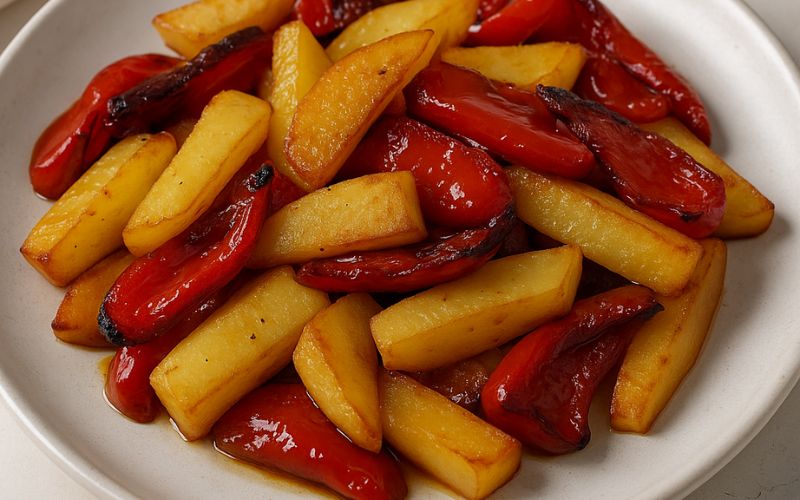
Calabria is a region that knows how to surprise. It is made of sweet and spicy contrasts, just like its cuisine; a land of sea and mountains, of farming traditions and recipes born by the harbor. Here, between Tropea, Parghelia and Zambrone, every dish tells a story intertwined with the scents of the coast and the simplicity of Mediterranean life.

In this guide you will discover the most authentic flavors of the Costa degli Dei, told slowly, just like a local friend would do while sitting at the table with you.

Continue to read
Le 10 spiagge più belle della Costa degli Dei

The 10 Most Beautiful Beaches on the Coast of the Gods

Alla scoperta delle spiagge più belle della Costa degli Dei: il meglio del mare tra Tropea e Capo Vaticano

The 10 Most Beautiful Beaches on the Coast of the Gods

A comprehensive guide to the most spectacular bays, hidden coves, and unmissable beaches of the Costa degli Dei, between Tropea, Capo Vaticano, and Zambrone.

The Coast of the Gods, in Calabria, is one of the most captivating stretches of the Mediterranean, with white cliffs, turquoise coves, golden sand, crystal-clear seabeds, and breathtaking views. A coastline that combines crystal-clear sea and charming villages like Tropea, Zambrone, Parghelia, and Capo Vaticano.

Whether you’re dreaming of a family vacation, a romantic retreat, or simply some relaxation near Tropea, let us guide you on this journey to discover the 10 most beautiful beaches on the Costa degli Dei. Each beach has been carefully selected to offer you the best in terms of natural beauty, accessibility, services, and postcard-perfect views.

1. Grotticelle Beach – Capo Vaticano (Ricadi)

Grotticelle Beeach

Considered by many to be the queen of Calabrian beaches, Grotticelle is a cluster of three adjacent bays that form a spectacular natural setting. The sand is light and soft, the sea turquoise and clear, perfect for swimming and snorkeling.

Imagine finding yourself in the bay protected by the Capo Vaticano promontory, where the water is often calm and transparent, inviting you to dive even during the hottest hours of the day. In high season, it can get crowded, so we recommend arriving early or opting for June and September, wonderful months to experience the beach at its best.

2. Diving Paradise Beach – Zambrone

The name doesn’t lie: Paradiso del Sub is one of the most picturesque and wild coves on the entire coast. It’s reached via a path that descends through the Mediterranean scrub, revealing a strip of white sand and incredibly clear water.

The seabed here is extraordinarily rich: caves, small coves, rocky outcrops, and colorful fish make this beach a popular destination for snorkeling and underwater photography enthusiasts. Ideal for those seeking a less touristy spot, immersed in nature. Avoid in rough seas; rock shoes are recommended.

3. Michelino Beach – Parghelia

Michelino Beach – Parghelia

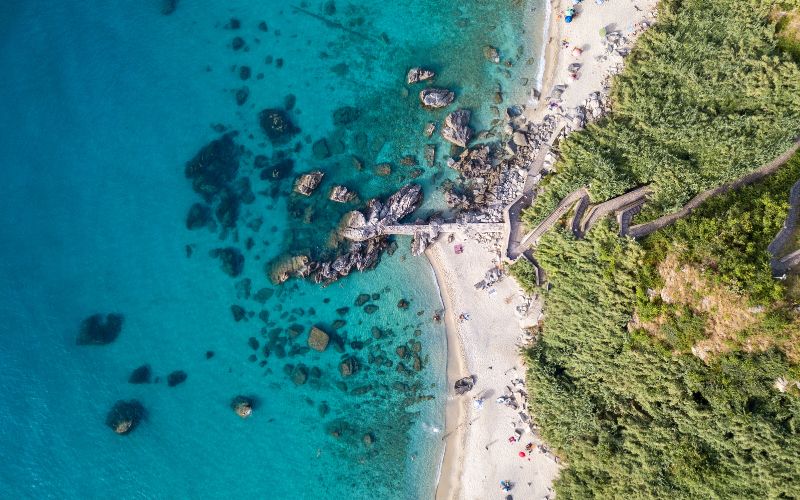
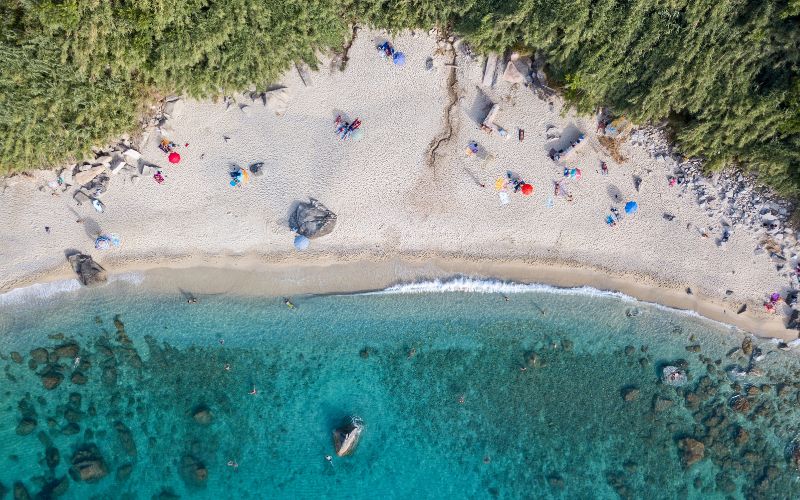
One of the most romantic beaches on the coast. To reach it, you descend a long panoramic staircase that offers breathtaking views of the sea and the coastline. Michelino is an intimate and quiet beach, where silence, relaxation, and crystal-clear water reign supreme.

The bay is characterized by a combination of fine sand and smooth rocks, perfect for those seeking a secluded spot close to Tropea. At sunrise and sunset, the landscape becomes magical: ideal for couples and those looking to escape the more crowded beaches.

4. Riaci Bay – Santa Domenica di Ricadi

Riaci Bay

Located between Tropea and Capo Vaticano, Riaci Bay is a perfect choice for those seeking picture-perfect sea views combined with comfort. The beach is wide and well-serviced, with beach clubs, bars, and public areas.

The bay’s symbol is the large Riaci Rock, rising from the sea like a natural cathedral. Swimming around the rock is a beautiful experience: clear water, fish, and breathtaking views at every turn. Ideal for families and groups, it’s perfect for a relaxing day.

5. Island Beach (Santa Maria dell’Isola) – Tropea

Tropea - Island Beach

The beach at the foot of the famous sanctuary of Santa Maria dell’Isola is one of the icons of Calabria. The setting is unique: golden sand, cobalt blue water, and the Isola rock dominating the bay, creating a picture-perfect landscape.

Perfect for combining the sea and a cultural visit: after a swim, you can climb to the sanctuary and enjoy the view of Tropea and the Aeolian archipelago. It can get crowded in high season, but the atmosphere remains irresistible.

Want to plan your vacation on the Coast of the Gods? Request a quote.

6. Tono Beach – Ricadi

Wide, long, and golden: Tono Beach is one of the most comfortable and pleasant on the Costa degli Dei. Ideal for those seeking space, amenities, and tranquility. Even in the busiest months, there’s plenty of space thanks to the expansive coastline.

The sea slopes gently, making it perfect for families and those who enjoy long, safe swims. The sunset here is spectacular: the view opens directly onto the Aeolian Islands, which on clear days seem so close.

7. Praia di Fuoco Beach – Capo Vaticano

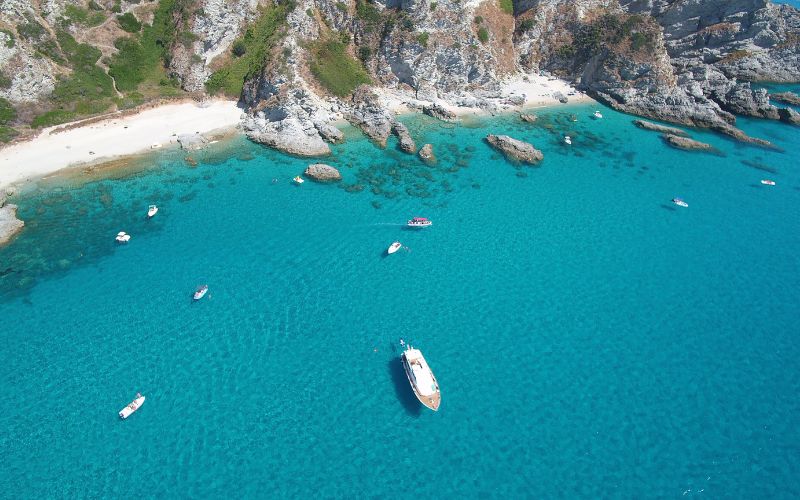
One of the most picturesque and wild beaches on the entire coast, accessible primarily by sea, it’s uncrowded and incredibly charming. The water here takes on Caribbean hues, ranging from turquoise to emerald.

Those who love unspoiled corners will love Praia di Fuoco in Capo Vaticano: white cliffs, sea caves, silence, and an almost exotic atmosphere. It’s perfect for a short boat or pedalo excursion from Grotticelle or Santa Maria.

8. Formicoli Beach – Santa Domenica / Ricadi

Formicoli is one of the most authentic beaches on the Costa degli Dei. A long, natural, and tranquil bay, characterized by light-colored sand mixed with rocky areas perfect for snorkeling and peaceful swimming.

It’s a beach that’s never too crowded, beloved by those who want to experience Calabria at its most natural. The sea, protected by the Capo Vaticano reef, is often clear and calm. A short distance away is the Villaggio Formicoli, an excellent base for visiting a different beach on the coast every day.

9. Santa Maria Beach – Ricadi

This beach is a little gem nestled between Capo Vaticano and Grotticelle. Wide, sandy, and with incredibly clear water, Santa Maria is ideal for those seeking a comfortable, family-friendly, and scenic beach.

The sea here changes color throughout the day, from turquoise to deep blue. The atmosphere is relaxing, and the seabed is perfect for beginners and children.

10. Zambrone Marina Beach

Zambrone Marina offers a long stretch of white sand and a clean, clear sea, ideal for families and those who enjoy walking along the shore. It’s one of the easiest beaches on the coast: spacious, with services, organized lidos, and nearby parking.

The view of the Aeolian Islands, especially at sunset, is stunning. It’s also excellent on windy days thanks to its more sheltered location compared to other coves.

Which of the most beautiful beaches on the Costa degli Dei should you choose?

Here’s a quick guide:

  • Snorkeling: Paradiso del Sub, Grotticelle, Formicoli

  • Families: Tono Beach, Zambrone Marina, Riaci Bay

  • Romance: Michelino, Praia di Fuoco

  • For convenience + postcard photos: Isola Beach (Tropea)

  • For those who love tranquility: Formicoli, Santa Maria


Where to stay to best experience the Costa degli Dei

The Santa Domenica / Formicoli area is the geographic heart of the coast: perfect for reaching Tropea, Capo Vaticano, Parghelia, Zambrone and all the beaches on the itinerary in just a few minutes.

Overlooking one of the quietest beaches on the coast, Villaggio Formicoli is an excellent base for a seaside holiday, with bungalows, a campsite, and an ideal location for exploring a different beach every day.

Discover our sea-view bungalows or our camping area: the Costa degli Dei awaits you!

FAQ

1. What is the most beautiful beach on the Costa degli Dei?


Grotticelle in Capo Vaticano is considered the most iconic and scenic beach.

2. Where to snorkel on the Coast of the Gods?


Paradiso del Sub, Formicoli and Grotticelle are the three best areas.

3.Which beach is best for families?


Tono Beach and Zambrone Marina: wide, sandy, and with shallow waters.

4. Which is the least crowded beach on the Costa degli Dei near Tropea?


Formicoli and Michelino are excellent options for those seeking tranquility.